



PRESENTS
BRICOLAGE: Re-imagining Home, The Story of Iris
This 12 piece multi-sensory wearable art exhibition, is constructed entirely from used clothing, repurposed materials, and organic remnants. The project explores sustainability, Caribbean womanhood, migration, autonomy, and ancestral return through the life story of Iris: mother, carnival woman, rural daughter, and matriarch.
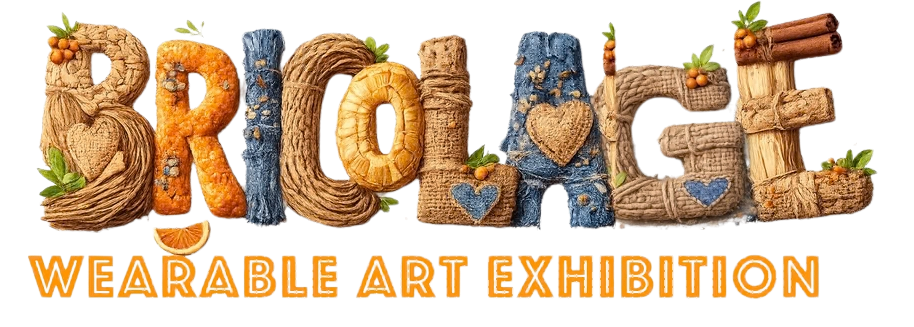
Bricolage, meaning “to make from what is at hand,” becomes both method and metaphor. Discarded matter like fruit peels, coconut shells, corn husks, carnival wire frames, rope, raffia, burlap, denim, and cowrie shells are transformed into sculptural garments that function as archive, altar, and testimony.
The exhibition unfolds in three chapters.
Part I: Country Gyal Come to Town
This chapter traces Iris’s migration from rural Caribbean life into the structures of town living. Her early world was defined by barefoot wanderings, fruit as medicine and sustenance, communal care, and shared survival. Transitioning into town meant entering a culture of individualism, where community fractured and survival became more solitary.
The works in this section are constructed from dried fruit peels, coconut shells, and corn husks. Scent is integral to the experience; citrus and earth activate memory and time travel. This chapter interrogates displacement, modernization, and the quiet grief of leaving communal ways behind.
Part II: Boundless Love
In this chapter Iris emerges as “The Carnival Lady,” positioned as Queen of Hearts. Using discarded carnival wire frames and 28 pairs of used denim collected/donated from Caribbean women, the works reimagine carnival not as annual spectacle destined for landfill, but as enduring architecture capable of renewal.
This section challenges fast festival culture and fast fashion, proposing sustainability as cultural responsibility. It also explores love and autonomy in 1960s Caribbean society, when women often required a husband’s signature to open bank accounts or secure loans. Iris’s marriage to Louis becomes both romance and strategy: a bold pursuit of freedom within the constraints of her time.
Part III: Iris Renaissance
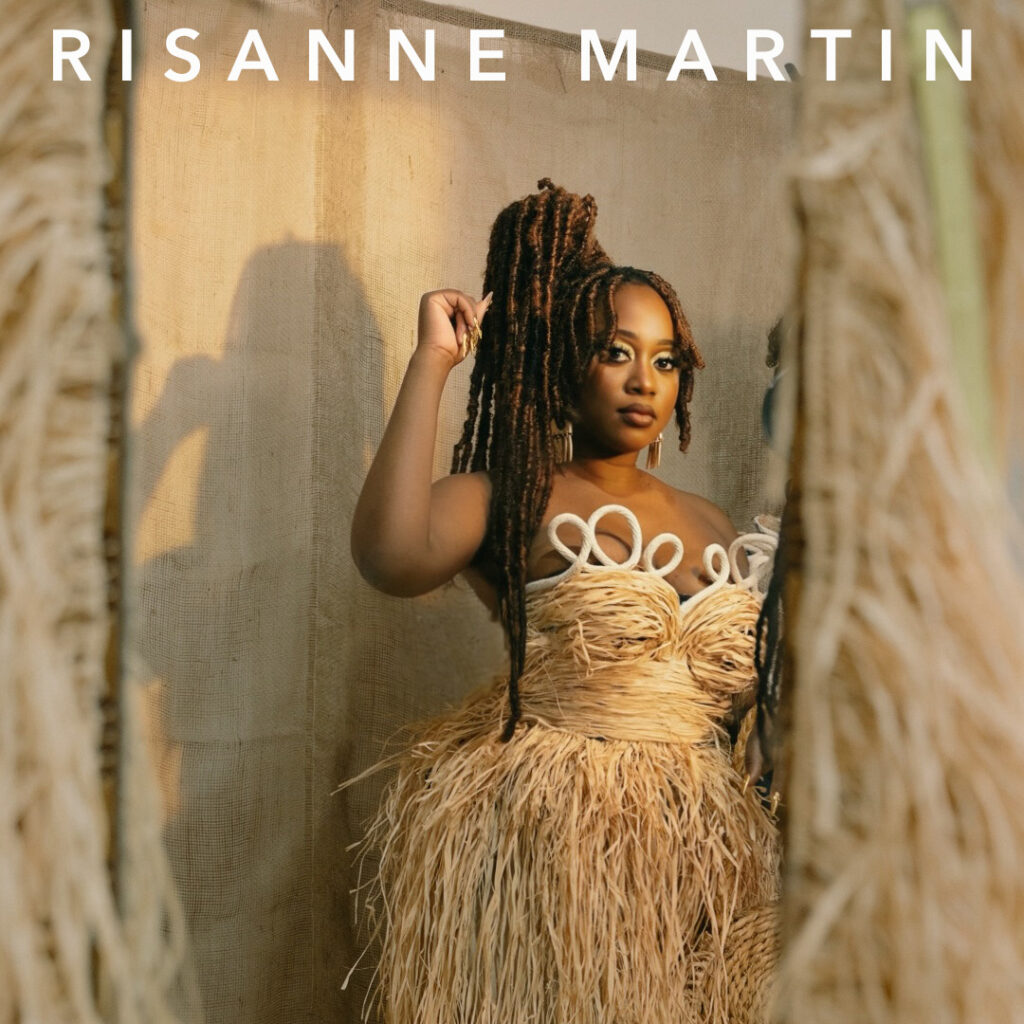
The final chapter reflects Iris’s human death and ancestral rebirth. Materials shift to rope, raffia, burlap, brown cotton, and cowrie shells, connecting to African lineage and the sacred geometry of the feminine body. The silhouettes celebrate maternal form as origin point. Death is not
framed as ending, but as return to earth, to sea, to ancestry. This section becomes both elegy and celebration.
The exhibition integrates fruit tasting as embodied memory practice and a sound installation composed of waves, Caribbean echoes, and the artist’s voice. The sensory components invite viewers to experience home not only as place, but as smell, sound, texture, and inheritance.
BRICOLAGE resists disposability of materials, of culture, of women’s stories. It positions Caribbean resourcefulness as intellectual legacy and reframes reuse as resistance. Through Iris, the work honors generations of women who carved autonomy within limitation, transforming constraint into creation.